
परिचय — क्यों plastic recycling आज ज़रूरी और फ़ायदेमंद है
आज जब प्लास्टिक कंकाल बनकर हमारे कचरे में जमा हो रहा है, वही प्लास्टिक सही तरीके से प्रोसेस कर के कच्चा माल बन सकता है — और यह कच्चा माल छोटे-बड़े उद्योगों को कम लागत में दिया जा सकता है। यदि आप सोच रहे हैं How to start a plastic recycling business, तो अच्छी खबर यह है कि यह न सिर्फ़ पर्यावरण के लिए लाभकारी है, बल्कि एक मुनाफ़ेदार व सतत व्यवसाय भी बन सकता है। सही योजना, तकनीक और मार्केटिंग से आप कम निवेश से शुरू कर के मध्यम/बड़े स्तर तक बढ़ सकते हैं।
Plastic Recycling Business Overview | प्लास्टिक रीसाइक्लिंग व्यवसाय का परिचय और अवसर
प्लास्टिक पुनर्चक्रण, PET/HDPE/LDPE recycling, प्लास्टिक वेस्ट मैनेजमेंट**
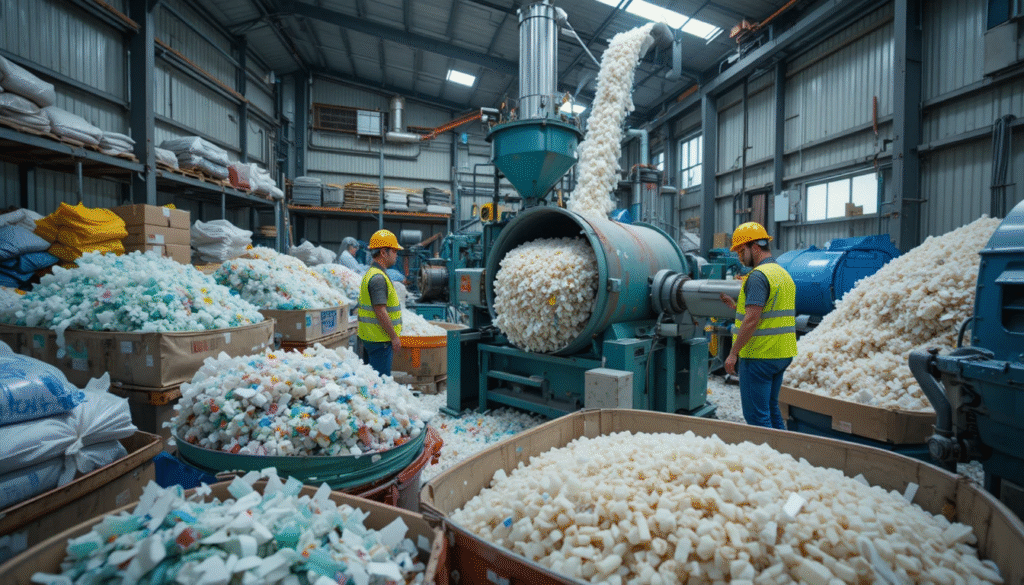
प्लास्टिक रीसाइक्लिंग का मतलब है— उपयोग किए हुए प्लास्टिक को इकट्ठा करना, साफ़-सफाई करना, छोटे टुकड़ों में काटना (shredding), पिघलाकर pellet या granules बनाना और फिर इन्हें नए उत्पादों में उपयोग के लिए सप्लाई करना। छोटे-छोटे कच्चे-कदम से शुरू कर आप packaging, construction, textile या moulded products के लिए resin बेच सकते हैं।
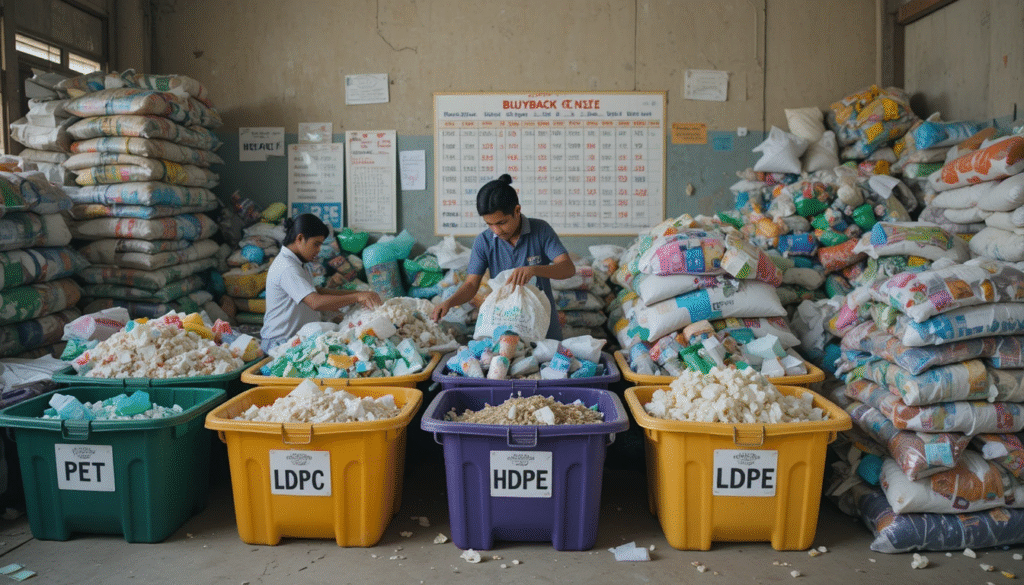
- छोटे शहरों/ग्रामों में कलेक्शन नेटवर्क बना कर आप किफायती raw material पा सकते हैं।
- प्लास्टिक कंपनियों और converters को recycled pellets की मांग लगातार रहती है, खासकर cost-sensitive MSME सेक्टर में।
Market Demand & Profitability | बाज़ार की डिमांड, मुनाफ़े और बिज़नेस के मॉडल
recycled plastic demand, waste to wealth, रीसायकल्ड प्लास्टिक की मांग
प्लास्टिक रीसाइक्लिंग से जुड़े कई बिज़नेस मॉडल हैं: कलेक्शन/डोर-टू-डोर रीसाइक्लिंग, छोटे shredding & washing units, प्लास्टिक pelletizing plants, और value-added manufacturing (e.g., paving blocks, composite lumber, rope, fibre)। शुरुआती चरण में आप collection + shredding + washing + small pelletizing से शुरुआत कर सकते हैं — इससे product immediately resaleable हो जाता है।
प्रॉफिट की बड़ी कुंजी:
- सस्ती और व्यवस्थित कचरा आपूर्ति (feedstock).
- ऑपरेशन की ऊर्जा (electricity/fuel) कुशल रखना।
- माइक्रो-मार्केटिंग — लोकल मोल्डर्स और plastic product makers से सीधे संपर्क।
Types of Plastics to Recycle | कौन-सा प्लास्टिक रीसायकल करें — PET, HDPE, LDPE, PP आदि
PET recycling, HDPE recycling, LDPE recycling, polypropylene recycling.
बाज़ार में commonly मिलने वाले प्लास्टिक और उनके उपयोग:
- PET (Polyethylene Terephthalate) — बोतलें, पानी और सोडा के कंटेनर। (बड़ी मांग; clear bottles से value ज़्यादा)
- HDPE (High Density Polyethylene) — डिटर्जेंट कैन, दूध के डिब्बे।
- LDPE (Low Density Polyethylene) — पॉलिथीन बैग, शीट्स।
- PP (Polypropylene) — बॉक्सेस, कप, automotive parts।
- PS, PVC — इनका प्रोसेसिंग कठिन या regulated हो सकता है; शुरुआती में इनसे बचना बेहतर।
बात करें profitability की — PET और HDPE pellets की मार्केट वैल्यू आम तौर पर बेहतर रहती है; LDPE भी मांग में है पर washing और drying पर ज़्यादा ध्यान चाहिए।
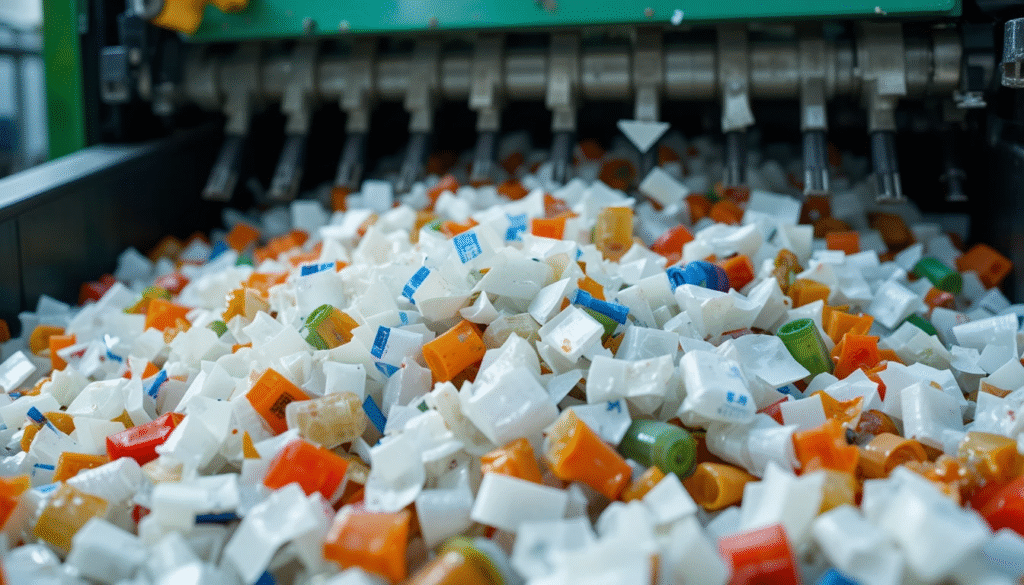
Business Models & Small Batch Options | छोटे स्तर पर प्लास्टिक रीसायक्लिंग बिज़नेस मॉडल
small scale plastic recycling, decentralized recycling units, community recycling business
कुछ प्रैक्टिकल मॉडल:
- Door-to-Door Collection + Sorting Center — low investment; आप sorted waste बेचते हैं।
- Small Shredding + Washing Unit (10-50 KP/day capacity) — medium investment; sell flakes to pelletizers.
- Pelletizing Unit — higher CAPEX; end product resin sellable directly.
- Value-Added Manufacturing — recycled pellets → plastic pavers, garden furniture, bags, etc. (High margin but higher machinery/skill needed)
छोटे शहरों में step-by-step scale करें: पहले collection center, फिर cleaning & shredding, और आखिर में pelletizing.
Step-by-Step Process — प्लास्टिक रीसाइक्लिंग का प्रोसेस (Collection → Flakes → Pellets → Products)
plastic collection, sorting, shredding, washing, pelletizing, extrusion, manufacturing
1) Collection & Supply Chain — कलेक्शन और सप्लाई-चैन बनाना
- Door-to-door, bulk pick from shops, institutions, industrial housekeeping.
- Incentive model: ग्राम/लोकल वर्कर/auto drivers को per-kg price दें या coupon system अपनाएँ।
- Category-wise अलग करें: PET अलग, HDPE अलग, mixed films अलग।
2) Sorting & Segregation — हाथ से/मैकेनिकल sorting
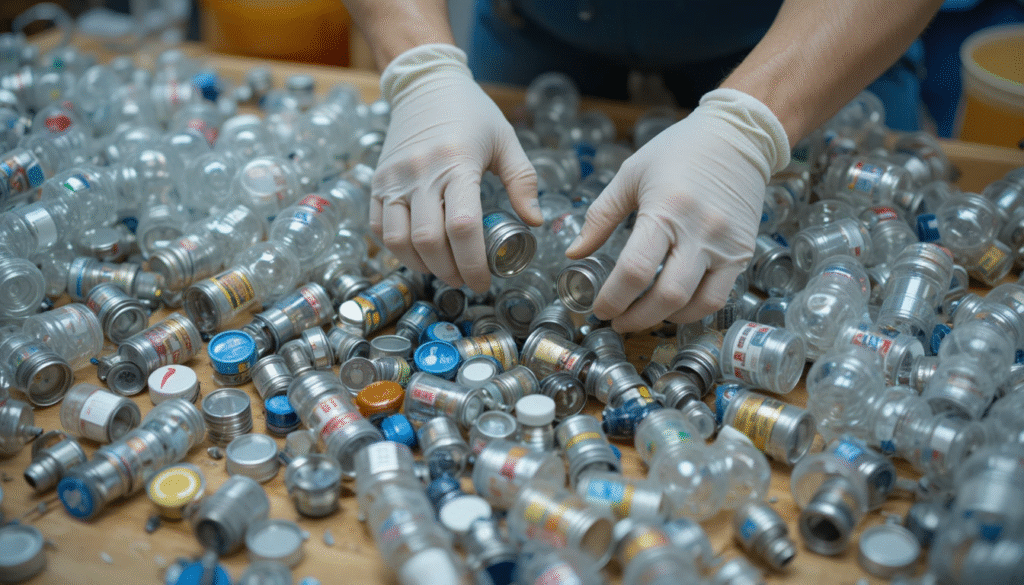
- color, polymer type, contamination (food residue) के हिसाब से बेसिक manual sorting।
- XPS/floatation/near-infrared equipment बड़े सेटअप में उपयोगी होते हैं पर small units manual sort से शुरू करें।
3) Shredding / Size Reduction — शेडर से कटाई
- Shredder machines (single/dual shaft) से bottles/sheets को 10–30 mm flakes में बदला जाता है।
- Safety: metal contaminants remove कर लें; blades sharp और grounded रखें।
4) Washing & Drying — वॉशिंग और ड्रायिंग (crucial step)
- Hot washing with detergent removes labels, adhesives, oil; rinsing multiple times।
- Centrifugal dryer/air dryer/solar drying options — moisture <1% चाहिए pelletizing के लिए।
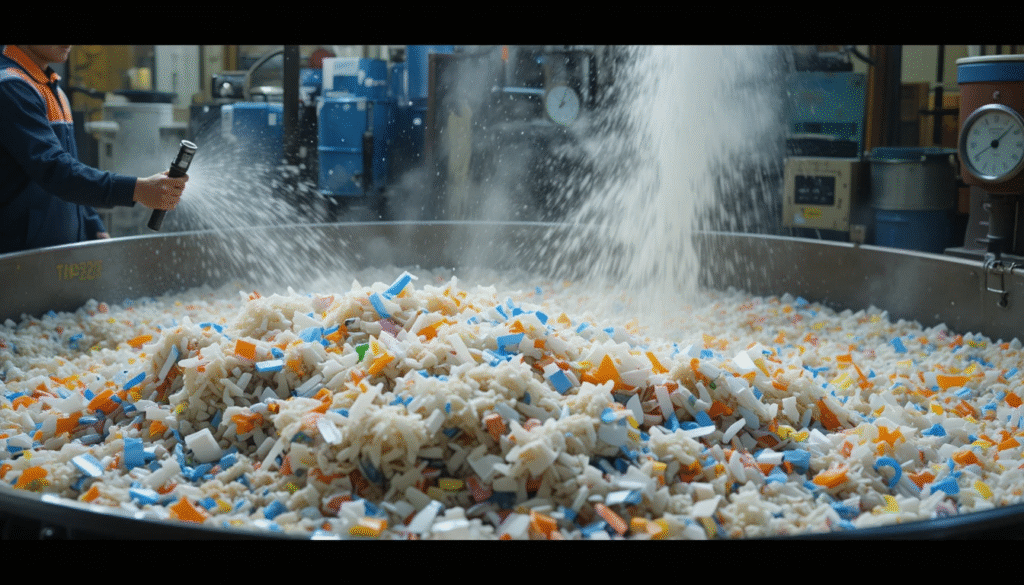
5) Extrusion & Pelletizing — पिघलाकर pellet बनाना
- Flakes को extruder में feed कर के melt किया जाता है; फिर strand die से बाहर आता है और cutter से pellets बनते हैं।
- Additives/compatibilizers तब ही use करें जब polymers mix हों; otherwise pure polymer pellets की value ज़्यादा रहती है।
6) Quality Control & Testing — QC, Melt Flow Index, Contamination check
- Moisture, ash, color consistency, MFI (Melt Flow Index) जैसे parameters चेक करें।
- Small lab testing ज्यादातर third-party labs पर करवा कर मानक बनाएं।
7) Packaging & Distribution — पैकेजिंग और बिक्री
- 25kg/50kg bags में pellets pack करें; moisture-proof liners use करें।
- Buyers: local moulders, extrusion units, textile fibre makers (for PET), construction (pavers) आदि।
Machinery & Investment Estimate | मशीनरी, लागत और स्पेसिंग (Small to Medium Scale)
recycling machine cost, plastic shredder price, washer dryer extruder cost
Small Unit (Approx) — low CAPEX
- Shredder (1-2 tph) — ₹2–5 lakh
- Washing tank with dryer — ₹1.5–4 lakh
- Extruder + pelletizer (small) — ₹6–10 lakh
- Conveyors, sieves, scales — ₹1–2 lakh
- Space & civil, utilities — ₹2–4 lakh
Total (approx): ₹13–25 lakh (depends on capacity)
Medium / Commercial Unit
- Automatic sorting, hot washing line, 2-3 tph extruders, preheaters — higher CAPEX ₹50 lakh+.
Tip: छोटे स्तर पर आप बाइ-नौकिक (used) machines ले कर costs कम कर सकते हैं — पर warranty और spares की जाँच ज़रूरी है।
Raw Material Sourcing & Collection Network | कच्चा माल और कलेक्शन रणनीति
plastic waste sourcing, scrap plastic suppliers, waste aggregators
- Source: households, kirana shops, restaurants, hospitals (segregated), packaging units।
- Tie-up local municipalities for segregated collection points or SWM partners।
- Incentivize ragpickers and micro-entrepreneurs via buyback rates and stable pickup schedule।
Licensing, Environment Norms & Compliance लाइसेंस, एनवायरनमेंटल नियम और मानक
recycling license, pollution control board NOC, environmental compliance
- Registration: GST, MSME (optional), local trade license।
- Environmental: State Pollution Control Board (SPCB) से NOC/consent may be required — especially if effluent discharged.
- Waste handling rules: Biomedical is different; do not mix hazardous plastics.
- EPR (Extended Producer Responsibility) norms apply in many regions — check local regulations for obligations and opportunities (brands may pay you to collect).
Operating Costs & Profit Margins | संचालन लागत और मुनाफ़ा कैसे निकलेगा
operating cost per kg, recycled plastic margin, energy cost in recycling
Major cost heads: feedstock procurement (largest), electricity/fuel (extruder energy), labor, water/effluent treatment, maintenance, packaging, transport.
Average margins depend on polymer and quality: cleaned PET flakes → pellets value higher; mixed low-grade film lower. Typical small unit net margins can range from 8%–20% per kg depending on efficiency and market. Scale and product quality improve margins.
Sales Channels & Buyers | बिक्री चैनल और खरीदार कहां मिलेंगे
buyers for recycled plastic, plastic pellet buyers, local moulders, extrusion units
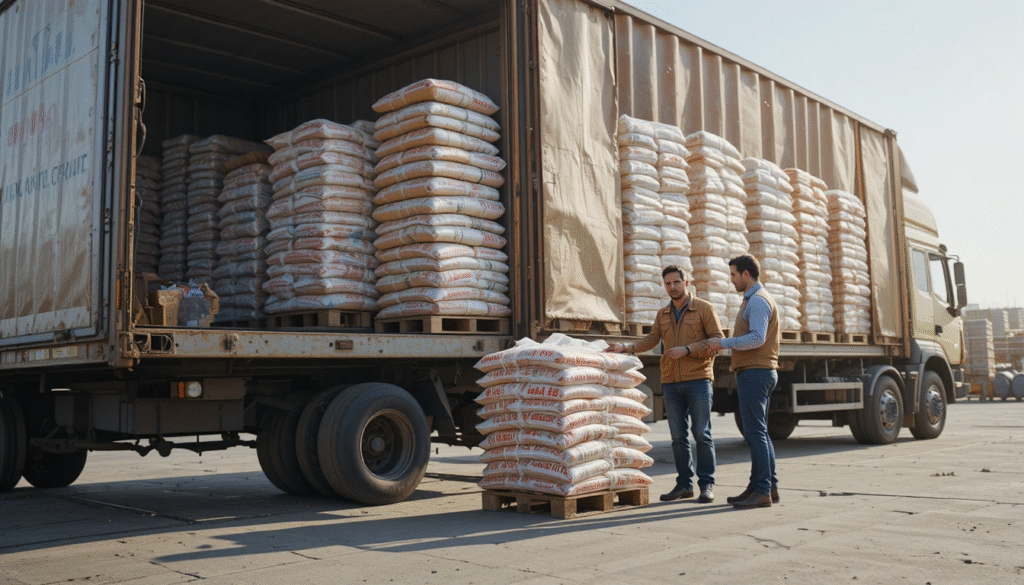
- Local plastic product makers (bucket/pipe/pallet makers)
- Packaging converters (for LDPE film recyclates)
- Textile fibre spinners (recycled PET to polyester fibre)
- Construction companies (plastic paver makers)
- Export: cleaned, color-sorted pellets sometimes exportable — check IEC and quality standards.
Value-Added Products & Diversification | वैल्यू-एडेड प्रोडक्ट्स से मुनाफ़ा बढ़ाएँ
recycled plastic pavers, plastic lumber, recycled fibre, eco products
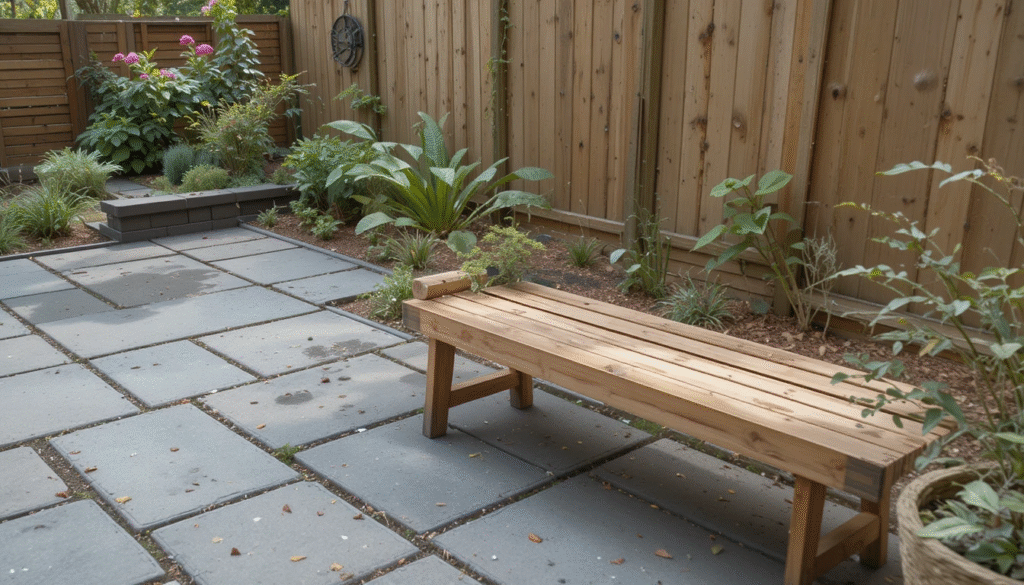
- Plastic pavers, kerb stones (mix with concrete)
- Composite lumber (garden benches, decking)
- Recycled fibres for non-wovens/textile use (from PET)
- Moulded items (bins, buckets) — require injection molding machine but margin high.
Risks, Challenges & Practical Mitigation | जोखिम और उनसे निपटने के उपाय
contamination risk, fluctuating prices, technology risk, effluent treatment
Common risks: contamination by food/oil/metals, fluctuating raw material prices, high energy cost, regulatory changes. Mitigation: strong supplier contracts, backup power plan, good QC, effluent treatment or zero-discharge practices, diversify product mix.
Case Study & Practical Example | छोटा केस-स्टडी (एक hypothetical example)
small recycling plant case study, example plastic recycler economics
मान लीजिए आप 500 kg/day flakes produce करने वाले unit से शुरू करते हैं:
- Raw waste cost (avg): ₹10/kg → ₹5,000/day
- Electricity + labor + water etc.: ₹6,000/day
- Total daily cost ~ ₹11,000; if pellets produce और बेचें at ₹35/kg for 500 kg → ₹17,500 revenue; gross profit ≈ ₹6,500/day (~59% gross margin) — लेकिन यह numbers बहुत variable है और local market पर depend करते हैं।
How to Scale — expansion strategy for plastic recycling business | स्केलिंग रणनीति
expand recycling unit, add pelletizer, backward integration, forward integration
- Start with collection + shredding, sell flakes.
- Add washing & pelletizer in phase-2.
- Phase-3: set up moulding or composite manufacturing or B2B supply agreements.
- Tie-up with municipal schemes or brand EPR programs to secure feedstock.
Practical Checklist — पहले 90 दिन में क्या करें (Actionable Steps)
- Market survey और competitor analysis करें।
- 250–500 sq ft workshop area secure करें।
- Basic machines (shredder, washer, dryer) arrange करें।
- Pilot testing के लिए 1-2 tonnes feedstock procure करें।
- Local buyers (moulders) से sample agreements लें।
- SPCB/NOC और GST/MSME registration कर लें।
- Online presence + B2B outreach शुरू करें।
निष्कर्ष — Plastic Recycling Business Plan से कैसे सफलता पाएँ
plastic recycling, plastic waste management, recyclable plastic business
Plastic recycling एक ऐसा क्षेत्र है जहाँ पर्यावरणीय ज़रूरत और आर्थिक अवसर दोनों साथ हैं। स्मार्ट सप्लाई-चेन, कुशल मशीनरी और सही मार्केट फोकस के साथ आप 2025 में एक sustainable और profitable व्यवसाय बना सकते हैं। छोटे-छोटे कदम—पहले कलेक्शन, फिर shredding & washing, और बाद में pelletizing/ manufacturing—आपको risk कम करके scale करने में मदद करेंगे।


YGfgGijEAPVgXyrFuRYPxBwW